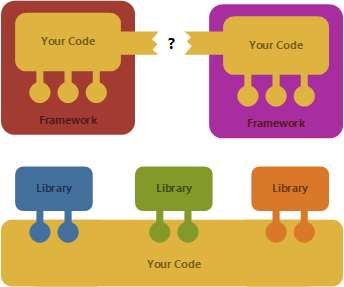
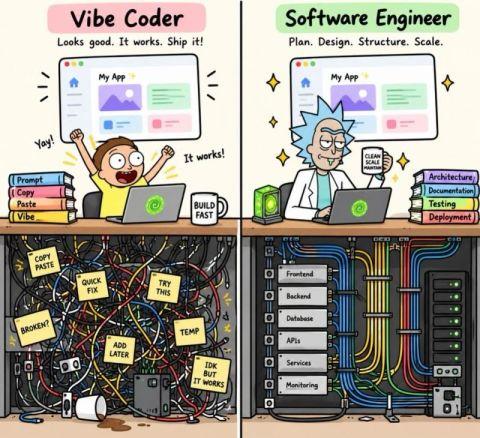
Within a simple but carefully structured architecture lies a set of small, innovative, non-perfectionist “playgrounds” that I can rework at any time. That means affordable change requests and innovative features for clients. I minimise the use of frameworks and libraries and, where needed, prefer a lower level (e.g. Popper.js in the UI or Dapper for data access): a bit more effort up front, in return more control, better performance and savings in further development.
Web UI example: instead of third-party dropdown widgets I often build my own dropdowns with Popper.js. When special requests come in, I can implement them immediately – without time-consuming digging through the docs and source of a widget that may not support the feature at all.
Backend example: although I know the common ORMs of the .NET world, I prefer simple, efficient micro-ORMs like Dapper. With a well-structured, centralised data access layer I achieve high performance, flexibility and support for multiple databases. LINQ magic is still possible in memory.